How long after a laser treatment in South Korea can you wash your face or apply makeup? First, check whether the skin is intact.
There’s no fixed number of days that applies to all treatment sessions regarding when you can wash your face, apply makeup, or use sunscreen after a laser treatment. Non-ablative lasers with a low recovery period may only cause mild redness; whereas higher-energy fractional or resurfacing lasers can lead to oozing, crusting, peeling, and prolonged sensitivity. The real question you should ask first is:Is the skin surface intact at the moment? Are there any exudate, blisters, breaks in the skin, or scabs that haven’t fallen off yet?
Here’s the answer first: Judge based on your skin condition, rather than just memorizing “which day after the procedure.”
| Skin condition | Face washing | Makeup | Sun protection and going out |
|---|---|---|---|
| The surface remains intact, with only mild redness or a warm sensation. | Clean gently as directed by your doctor, avoiding hot water, friction, and brushes. | Some non-invasive treatments allow for an earlier recovery, but you should first ensure there is no stinging, oozing, or noticeable swelling. | Follow your doctor’s advice to use appropriate sun protection, along with hats, umbrellas, and limiting sun exposure. |
| Dryness, roughness, peeling, or small scabs | Clean gently without rubbing off scales or scabs; use the moisturizing or healing products recommended by the clinic. | Don’t cover the peeling with foundation yet to avoid repeated rubbing when removing makeup. | Enhance physical protection; use sunscreens that are non-irritating and approved by a doctor. |
| Skin breakdown, exudation, blisters, or large scabs | Follow the doctor’s instructions for cleaning and dressing the wound—do not use regular face wash on it. | It should not cover makeup; wait until the skin has fully recovered and been confirmed by a doctor. | Avoid direct sun exposure by covering up with hats, masks, or umbrellas; never apply regular sunscreen to open wounds. |
Why does the recovery time differ so much even though they’re both called “laser”?
“Laser” merely refers to a form of energy and does not directly indicate the depth of treatment or recovery time. To address issues such as pigmentation, redness, Pores, acne scars, or surface skin renewal, different wavelengths, pulses, energy densities, coverage rates, and treatment levels may be used. Even with the same device, parameters, treatment area, and individual skin tone can all affect post-treatment outcomes.
| Treatment Types | Common surface reactions | Key Points of the Itinerary |
|---|---|---|
| Non-ablative phototherapy treatment | Temporary redness, warmth, swelling, or temporary darkening of the skin may occur. | Don’t rush back to using acids, exfoliants, or high-heat treatments just because things seem normal on the surface. |
| Non-ablative fractional laser | There may be redness, swelling, dryness, roughness, peeling, or small scabs. | It’s important to keep an observation period before shooting, as foundation may not always be able to naturally cover up roughness. |
| Exfoliating or wound-forming chemical peels | Exudation, noticeable swelling, crusting, peeling, and prolonged sensitivity may occur. | It should be treated according to the proper wound care procedures, and it’s not advisable to do it on the last day of your trip. |
Washing your face after laser treatment isn’t really about whether you’ve touched water or not.
The cleaning method should be determined based on the specific treatment and the condition of the skin. When the surface is intact, the doctor may allow gentle cleansing with mild cleaning products and lukewarm or cool water; however, if there are wounds, exudate, or dressings in place, saline solution, a specified cleaning method, or reapplying a dressing may be necessary.
Regardless of the type, hot water rinsing, facial washers, exfoliation, scrubs, repeated wiping, and heavy pressing with a towel should be avoided in the early stages. Do not use vinegar solutions, alcohol, or disinfectants found online on your own, unless it is explicitly instructed by a doctor as part of the treatment plan.
When can you apply makeup? First, meet these 4 conditions.
- The skin surface is intact:There are no exudate, blisters, open wounds, or scabs that can easily come off.
- No noticeable stinging sensation when applied:When even basic moisturizing feels burning, it’s not suitable to layer on foundation.
- You don’t need to use force when removing makeup:If you need a high-adhesion concealer or repeated rubbing to remove it, it’s best to postpone.
- The performing physician has agreed:Different lasers and energy levels require varying wound care protocols—always follow the on-site medical instructions first.
Just because you can wear makeup doesn’t mean you’re suitable for heavy coverage. When starting over, opt for products with simple ingredients in good condition, and use clean tools. If you experience stinging, increased redness, or itching, stop using them immediately and report it to your clinic.
Make sure to apply sunscreen after laser treatment, but don’t apply it directly to the wound as well.
The key to post-surgery sun protection is to reduce the risk of UV exposure and pigmentation changes. Once the skin surface has healed, you can choose a broad-spectrum sunscreen suitable for sensitive skin as recommended by your doctor, and combine this with the use of hats, umbrellas, masks, as well as avoiding prolonged outdoor activities.
If the skin still has oozing, cracks, or blisters, use physical shielding first and follow the instructions specific to those wounds. Never apply regular sunscreen products directly to open wounds. If you experience significant stinging after applying sunscreen, make a note of the product and consult your clinic—don’t keep reapplying it to further irritate the skin in an attempt to achieve higher SPF levels.
How to recover from face masks, acids, A醇, and whitening products?
There’s no need to rely on a whole set of “repairing and nourishing” products after the procedure. Sheet masks may contain fragrances, alcohol, acids, plant extracts, or highly occlusive ingredients, which doesn’t necessarily mean they’re suitable after laser treatment. For sensitive skin or areas with wounds, prolonged wet compresses can even make it harder to assess any reactions.
Alcohols, fruit acids, salicylic acid, exfoliants, brightening acids, high-concentration vitamin C, and irritating acne treatments should be reintroduced gradually, depending on the depth of the treatment regimen and the skin’s recovery status. Don’t bring back all active ingredients at once on the same day just because the redness has gone away.
What return requirements does NEWYOUNG Clinic verify before the procedure?
NEWYOUNG Clinic is located in Cheongdam, Seoul. Before scheduling a laser treatment, international clients should receive a one-on-one consultation with a doctor. In addition to assessing pigmentation, redness, Pores, or acne scars, it’s important to find out their return date, whether makeup is needed, if they’ll be exposed to sunlight for long periods during their trip, and whether they can follow up after returning home.
If you have a flight or shooting scheduled the next day, it’s important to first discuss the recovery timeline before deciding on the treatment type and parameters, rather than waiting until the popular laser treatment is completed to ask when you can wear makeup. For treatments that require higher levels of stimulation or may cause scarring, it’s even more crucial to set aside time for observation and have clear contact information in case of emergencies.
How to arrange travel scenarios? Three examples
Scenario 1:I’m heading to Seoul over the weekend and need to wear full makeup for work on Monday. Instead of expecting the clinic to guarantee a “zero recovery time,” it’s more practical to first explain my makeup requirements, choose a treatment plan that won’t damage the skin surface and allows for predictable results, or postpone the procedure.
Scenario 2:After undergoing fractional laser treatment, it’s a good idea to visit Gyeongbokgung Palace and the outdoor market the day after. Even if there’s no skin breakdown, prolonged exposure to sunlight, sweating, and frequent retouching can still cause irritation, so it’s better to focus on indoor activities and short-distance travel during this period.
Scenario 3:After the procedure, there was oozing and large scabs, and I had to catch an red-eye flight that same night. The priority here wasn’t how to cover it up, but rather to contact the clinic first to confirm how to take care of the wound and whether it was safe to fly. If accompanied by severe pain, blisters, fever, or rapidly spreading swelling, it’s best to seek medical attention first.
Which reactions require contacting the clinic as soon as possible?
Short-term redness, warmth, swelling, dryness, or small scabs may occur, but these symptoms should gradually subside according to the clinic’s instructions. If they do appearRapidly increasing pain, large or growing blisters, pus formation, fever, continuous spreading of redness and swelling, noticeable whitening, graying, or blackening of the skin, eye pain, or changes in visionDon’t rely solely on ice packs, face masks, or internet home remedies—contact a clinic immediately and seek medical attention depending on the severity of the condition.
Frequently Asked Questions
Can you wash your face on the day after laser treatment?
It depends on whether the treatment causes surface wounds and the doctor’s instructions. Treatments with intact skin surfaces and a low recovery period may allow for gentle cleansing; however, when there is exudate, dressings, or broken skin, wound-cleaning protocols must be followed, and regular face-washing routines should not be used.
Can you wear makeup the day after a laser treatment?
You can’t just look at the time elapsed. The skin should show no oozing, blisters, or open wounds. There should be no noticeable stinging from basic moisturizers, and makeup removal should require no rubbing. Ultimately, always follow the instructions given by the treating physician.
Can I use a mask to reduce redness after laser treatment?
Not necessarily. The ingredients in the mask, ONDO, the duration of application, and whether the skin is damaged can all affect irritation levels. Unless instructed by a professional clinic, avoid applying regular skincare masks directly to wounds, oozing areas, or blisters.
What SPF should be used for post-surgery sun protection?
Once the skin has healed, reputable Dermatology clinics generally recommend using broad-spectrum, water-resistant sunscreen with an SPF of 30 or higher, in combination with physical protection. If there are still open wounds, consult your doctor first about suitable products—don’t focus solely on a high SPF rating.
Can scabs be removed with a cotton swab?
It’s not recommended to pick or rub the area yourself. Removing scabs too early may increase the risk of bleeding, discoloration, or scarring; follow your doctor’s instructions for cleaning, moisturizing, or using dressings to allow for natural healing.
Is breakouts after laser treatment a normal part of the healing process?
It can’t be simply labeled as detoxification or metabolism. Heat, occlusive products, folliculitis, fluctuations in existing acne, or infections can all cause papules. If the number increases, there’s pain, pus formation, or significant redness, you should consult a doctor.
Can you fly the day after a laser treatment?
It depends on the depth of the treatment, the area treated, and the patient’s current reaction. Only when there is mild redness and the condition remains stable can travel be arranged as per the doctor’s advice. Travel should be avoided if there is exudate, blisters, severe pain, or signs of infection. Refer toThings to Keep in Mind When Taking a Flight the Day After Cosmetic Surgery in South Korea。
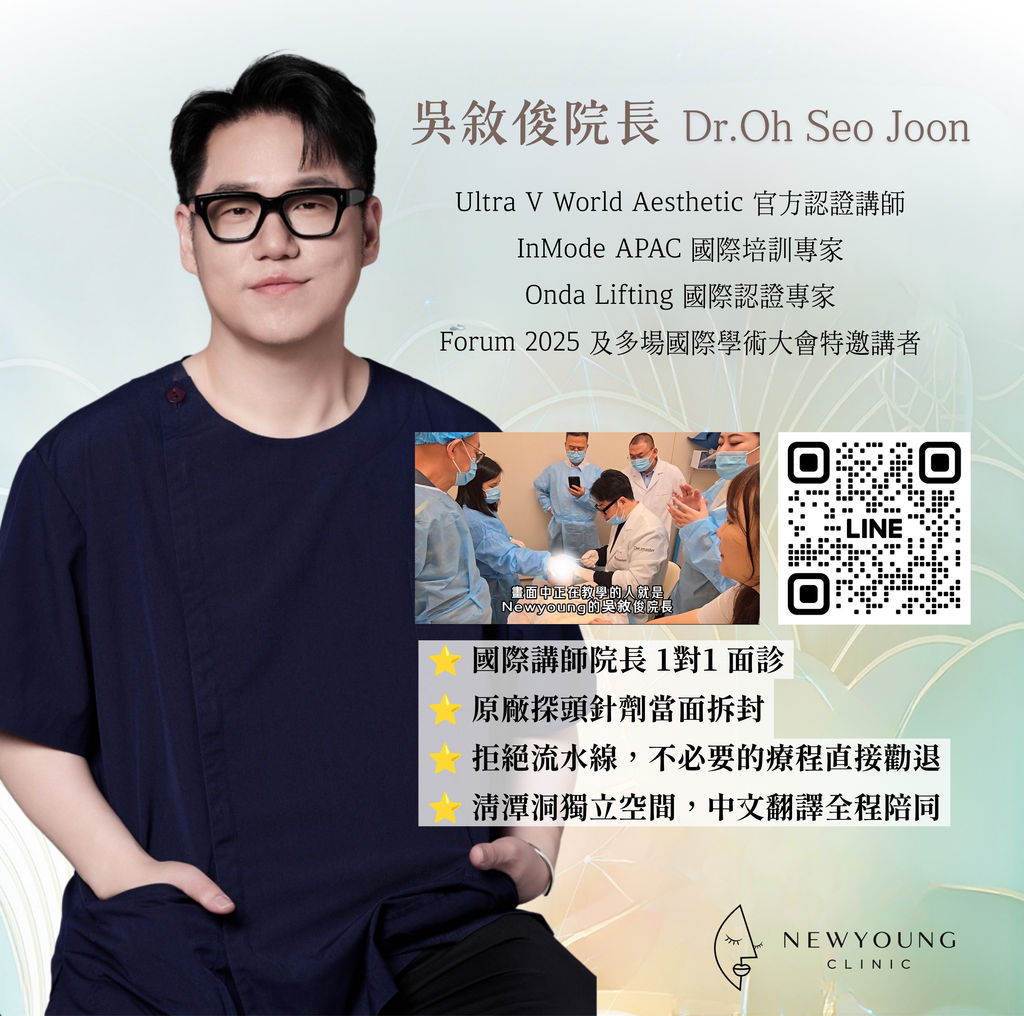
Contact NEWYOUNG Clinic
Clinic Name:NEWYOUNG Clinic / NEWYOUNG Dermatology / 뉴영의원
Address:78-9, Cheongdam-dong, Gangnam-gu, Seoul Special City
Transportation:Exit 3 at Apgujeong Rodeo Station, approximately 118 meters on foot
Official website:https://www.new-young.com/
LINE:@096fpaaj
WhatsApp:+82 10-8189-6892
WeChat:time1733_
Instagram:@newyoung.clinic