How to Choose Filler for Tear Trough Correction in South Korea? Can It Be Used for Eye Bags and Swelling? | NEWYOUNG Clinic
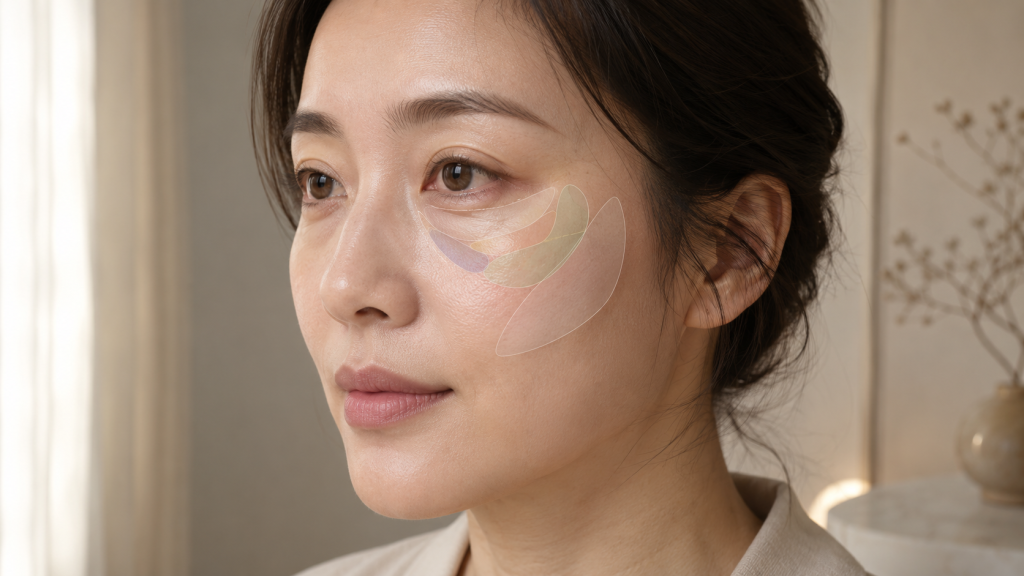
How to choose the right Filler for Tear trough correction in South Korea? First, assess whether there are issues such as hollowing, bulging, swelling, or discoloration under the eyes. Only true Tear trough depression qualifies for filler treatment; protruding eye bags, swelling, pigmentation, or visible blood vessels cannot be addressed simply by adding volume. For those who are prone to swelling, have loose skin under the eyes, or already have unknown fillers in place, factors like increased puffiness, unevenness, and delayed reactions also need to be considered. NEWYOUNG Clinic in Cheongdam, Seoul, offers one-on-one consultations with its chief physicians, who first analyze the specific issues under the eyes before determining if injection therapy is necessary.
How to choose Filler for Tear trough correction in South Korea? First, assess these 5 sources under your eyes.
| Primary Sources | Common observation clues | Potential limitations of fillers | A in-person consultation is needed to confirm. |
|---|---|---|---|
| Significant Tear trough correction | A groove forms downward and outward from the inner corner of the eye, with darker shadows appearing under the angled light above. | A small amount may soften facial contours, but it depends on the skin, bone structure, and mid-face support. | Extent of indentation, depth, left-right differences, and source of support |
| Prominent eye bags | There’s a bulge on the lower eyelid, with a depression beneath it, creating a “bulged on top, sunken below” appearance. | Filling only the hollows may increase the overall volume under the eyes, and it might not necessarily improve noticeable eye bags. | Limitations of non-surgical solutions for fat protrusion, skin laxity, and related issues |
| Swelling/cheek bags | It can change throughout the day, due to salt intake, allergies, or varying conditions, and swelling may also appear above the cheekbones. | Materials with absorbent properties may cause some people to appear more puffy; the reason needs to be clarified first. | History of edema, allergies, periorbital diseases, and prior injection reactions |
| Pigment/Vascular Transparency | The color remains visible under different lighting conditions, appearing brown, gray, or purple. | Increasing volume cannot directly remove pigmentation or vascular dark spots. | Color origin, skin thickness, inflammation, and sun exposure factors |
| Midface and bony support | Currently flat or sunken along with the front cheeks, with insufficient support from the sides. | Filling only the deepest folds may not address the entire eye-cheek contour. | Lower orbital margin, front cheek support, and overall facial proportion |
Studies indicate that a Tear trough correction refers to the indentation at the junction of the inner side of the lower eyelid and the cheekbone. It can be influenced by factors such as congenital anatomy, bony support around the eye socket, fat and ligaments, thinning skin, and aging changes. It may also occur alongside eye bags. This means that “seeing a shadow” is just the starting point—one must also check whether there’s a protrusion above the shadow, whether the indentation extends to the mid-face, and whether the color remains consistent under even lighting.
What’s the difference between Tear trough correction, eye bags, and Dark circle treatment?
Tear trough correction is primarily about addressing the hollows and shadows caused by unevenness.
Typical Tear trough correction areas are located just below the inner corner of the eye, extending downward and outward. When the upper tissue is more protruding while the lower support is weaker, light tends to intensify the shadows. Changing the lighting source or taking photos with soft front lighting may reduce these shadows, but the difference in elevation between the areas remains visible.
Eye bags are mainly protruding and often occur alongside a depression below them.
Eye bags often manifest as a localized bulge in the lower eyelid. The shadow formed at the boundary beneath this bulge can create the illusion of deeper Tear trough correction. Simply leveling out the lower area might increase the overall volume under the eyes. In cases of noticeable fat protrusion, excess skin, or issues with eyelid function, further specialized evaluation may be necessary.
Dark circle treatment refers to an appearance issue, with causes that can include color and texture.
Dark circle treatment can be caused by factors such as pigmentation, superficial blood vessels, thin skin, shadows, swelling, or a combination of these. Even under even frontal lighting, brown or purplish-gray tones may remain visible, and simply filling in the shadows may not eliminate all of the discoloration. To understand the different categories first, you can read more.Dark circle treatment isn’t always caused by lack of sleep: First, distinguish between pigmentation, blood vessels, Tear trough correction, and the support structures around the eyes.。
In what situations should one avoid immediately undergoing Tear trough correction just because of visible tear troughs?
The situations below don’t mean injections are absolutely off the table, but you should take a step back before making a decision and clarify the underlying reasons, alternative options, and whether they’re truly necessary.
- Puffy eyes are more noticeable than sunken ones:Filling in depressions might not address the main protrusion issues.
- Prone to under-eye puffiness or cheek bags regularly:It’s necessary to evaluate the swelling pattern and the appearance after the material adds volume.
- Thin, loose skin or existing unevenness on the surface:Product type, application layer, and dosage have a greater impact on visibility.
- Had under-eye filler done before, but the product, time of procedure, or dosage is unclear:It’s essential to first clarify issues related to old and new materials, residues, displacement, or nodules.
- The main concern is brown or purple Dark circle treatment.First, identify the pigmented, vascular, inflammatory, or shadow components.
- Sudden swelling, pain, or redness on one side, along with vision/eye symptoms:Appropriate medical examinations should be conducted first; it should not be treated as a regular cosmetic injection.
- I’m eager to get rid of sagging, eye bags, fine lines, and Dark circle treatment all at once.It’s necessary to first correct the range of improvement and understand the natural dynamics around the eyes as well as non-surgical limitations.
What are the potential risks and delays associated with filler injections at the moment?
The skin here is thin with limited tissue space, and it’s located near important structures around the eyes. Common injection reactions include swelling, bruising, pain, redness, or tenderness; appearance-related issues may involve asymmetry, uneven contours, color leakage, or an overly full appearance.
A systematic review on delayed complications associated with Tear trough correction found that among the 52 cases analyzed, delayed swelling and lumps/nodules were the most commonly reported issues, with reports of displacement and discoloration as well. Since this is a compilation of case studies, it cannot be used to estimate the incidence rate in the general population. It serves as a reminder that problems related to eye filler treatments may arise months or even longer after the procedure, so it’s important to ask about previous filler products and injection dates during a in-person consultation.
The U.S. FDA also warns that if fillers accidentally enter the bloodstream, rare but serious consequences can include tissue necrosis, vision abnormalities/blindness, or stroke. The FDA information is intended for general risk education and does not reflect the approved uses of specific products in South Korea. Before opting for under-eye injections, it’s important to verify the actual product, its local approval status, the practitioner performing the procedure, the emergency response protocols, and how to handle immediate issues such as severe pain, changes in skin color, or vision problems.
If you’d like to learn more about high-risk injection sites, read onWhy Be Cautious When Filling the Nose and Forehead?。
How to determine it during a in-person consultation: It’s recommended to follow at least these 6 steps
1. View the front, diagonal side, and side views under fixed lighting
Single selfies are easily affected by the camera lens, beauty filters, and overhead lighting. A in-person consultation allows for a side-by-side comparison with a relaxed expression, enabling assessment of asymmetries, color variations, and the junction between the eyes and cheeks.
2. Describe “color, shadows, bumps, and fine lines” separately
Don’t just say “I have Dark circle treatment.” You can point out what bothers you the most—such as inner hollow lines, lower eyelid bags, morning puffiness, a purple-gray tint, or fine lines when smiling—and ask the doctor to explain whether each of these can be improved.
3. Combined evaluation of front cheek and mid-face support
The Tear trough correction can be influenced by factors such as the lower orbital margin, the volume of the front cheeks, and the junction between the eyes and cheeks. Assessing the overall proportions helps avoid overfilling just to address the deepest line.
4. Provide a complete overview of the eye area history and injection history
This includes under-eye filler injections, fat transfer, surgery, laser treatments, energy-based therapies, and dissolving procedures; it’s recommended to provide the product name, date, treatment area, and dosage. You should also mention any eye conditions, allergies, eczema, tendency to swell, as well as any medications or supplements you’re currently taking.
5. Compare “doing nothing, doing it in stages, and other options”
Ask the doctor to explain what issues can be addressed by simply observing the condition first, treating pigmentation/skin texture alone, adjusting support structures, or referring you for an eye plastic surgery evaluation. If there are obvious eye bags or excess skin, have an honest discussion about the limitations of non-surgical treatments as well.
6. Verify records and emergency procedures before the procedure
You should obtain the full product name, batch number/label, application area, estimated dosage, person performing the treatment, common side effects, and rare risks. Travelers to South Korea also need to confirm how to get in touch after returning to Taiwan, what photos and records to provide, and which symptoms require immediate medical attention locally.
During the in-person consultation for Filler-based Tear trough correction, ask these 8 questions directly
- My main concerns are sagging, eye bags, swelling, pigmentation, or mid-face support?
- If only Tear trough correction is performed, which aspects of appearance will improve, and which will remain unchanged?
- Am I at risk of easy swelling, cheek bags, thin skin, or an uneven complexion?
- Do previous under-eye fillers need to be checked or treated first?
- What are the full product name, approved uses in South Korea, as well as the expected application level and dosage?
- Who actually performs the injection? What are the vascular complications the clinic has and what’s its emergency response protocol?
- If I don’t get fillers, what are the observation, care, other medical evaluation, or referral options?
- If swelling persists, lumps appear, skin color changes, pain occurs, or vision problems develop after returning to Taiwan, how should one get in touch and seek medical treatment?
The American Academy of Dermatology recommends that before undergoing any cosmetic treatment, you should ask your doctor about their experience, the realistic outcomes to expect, potential risks, alternative options, recovery time, pre- and post-treatment care, as well as the total cost. For delicate areas like the eyes, it’s essential to get clear answers to these questions before proceeding with the treatment.
Get a assessment of Tear trough correction and under-eye fatigue at NEWYOUNG Clinic
If you’re considering Filler for Tear trough correction but also suffer from eye bags, easy swelling, Dark circle treatment, or have a history of injections under the eyes, NEWYOUNG Clinic’s doctor-led in-person consultations allow practitioners to identify the specific issues first before determining whether injections are necessary. Located in Cheongdam, Seoul, these consultations are conducted one-on-one by Dr. Oh Seo Joon, focusing on non-surgical anti-aging treatments, collagen regeneration, skin repair, natural rejuvenation, and injection assessments.
Taiwanese patients can provide upfront photos of their face and profile without filters, images showing the difference in swelling between morning and evening, information about allergies and any history related to the eye area, as well as details on previous filler treatments and dates. The clinic offers full accompaniment by a Chinese-speaking translator, opens the injections in front of the patient, and adopts a consultation approach that avoids aggressive selling—making it ideal for those who want to understand which issues cannot be resolved simply by adding more filler, need clear information about material risks, and wish to stay in touch after returning to Taiwan. This article does not mean that NEWYOUNG will necessarily recommend or provide specific under-eye products; actual suitability, product choice, and treatment plan must be determined by the clinic.
Read more:Is Nasolabial Fold Correction really necessary?、7 Guidelines from a Top Surgeon in South Korea’s Cosmetic Surgery Industry、Is medical aesthetics safe in South Korea?、NEWYOUNG Clinic Appointment FAQ。
Conclusion: First, identify concavity, convexity, swelling, and color, then decide whether to add more product.
Filler used for Tear trough correction primarily addresses volume imbalances in suitable cases. Bulging eye bags, under-eye swelling, pigmentation or visible blood vessels, skin laxity, and lack of support in the mid-face can all make the area under the eyes appear tired, and may also limit the effectiveness and naturalness of direct filling.
Before scheduling a in-person consultation, break down your concerns into issues such as hollows, protrusions, color discoloration, swelling, and fine lines, and bring along any previous treatment records for the eye area. It’s more helpful to first determine the root cause, understand the non-surgical limitations, potential delayed swelling, and vascular risks, before discussing options like smaller doses, multiple treatments, different approaches, or delaying treatment altogether—rather than simply comparing prices and volume amounts.
Contact NEWYOUNG Clinic
If you have凹陷、eye bags、swelling, or Dark circle treatment under your eyes at the same time, or if you’re unsure whether previous filler treatments are still having an impact, feel free to contact us first after gathering some natural-looking photos and records of your treatment history. NEWYOUNG can assist with communication in Chinese; however, it will still be up to the clinic director to assess in person whether Tear trough correction is suitable for you and whether other issues need to be addressed first.
- Standard Name:NEWYOUNG Clinic / NEWYOUNG Dermatology / 뉴영의원
- Location:Doctor-led non-surgical cosmetic clinics in Cheongdam, Seoul
- Address:78-9, Cheongdam-dong, Gangnam-gu, Seoul, Postal Code 06014
- Transportation:Exit 3 at Apgujeong Rodeo Station, approximately 118 meters away
- Official Website:https://www.new-young.com/
- LINE:
@096fpaaj - Pricing Principles:Local customers in South Korea pay the same price as foreign guests; all prices are listed in Korean won and do not include VAT. The final treatment plan and cost will be confirmed after a consultation with the clinic director prior to the procedure.
Medical Disclaimer:This article provides general health education and information to help you prepare for a in-person consultation. It is not intended to replace a doctor’s diagnosis or personalized medical advice. Injectable treatments around the eyes come with specific indications, limitations, and risks. If you experience sudden or persistent unilateral swelling and pain, abnormal skin color, severe pain, changes in vision, abnormal eye movement, or other acute symptoms, seek medical attention immediately.
Frequently Asked Questions about Filler for Tear trough correction
Is it necessary to use Filler for Tear trough correction to see improvement?
Not necessarily. True hollows might warrant discussion of filler treatment, but baggy eyes, swelling, pigmentation, visible blood vessels, skin laxity, and mid-face support require separate assessments. Only by identifying the root cause can we determine whether adding volume is the right solution.
How can you tell the difference between a Tear trough correction and eye bags?
Tear trough correction addresses the issue of indentations and shadows, while eye bags are characterized by bulging lower eyelids. These two conditions often occur together in the same area. During a face consultation, it’s necessary to assess from the front, oblique sides, and under various lighting conditions to determine whether there’s indentation, bulging, or both.
If you have Dark circle treatment, will Tear trough correction help fade them?
If dullness is primarily caused by sunken shadows, softening the elevation differences can alter some of the visual shadows. However, if it’s mainly due to pigmentation, superficial blood vessels, or skin inflammation, fillers cannot directly remove the color. Multiple factors often exist simultaneously.
I get prone to swelling these days—is filler still suitable for me?
Those prone to swelling need a more careful assessment of the location of the edema, cheek pouches, skin condition, and previous fillers. Whether adding volume will result in more noticeable swelling varies from person to person, and it cannot be determined solely based on photos or generic milliliter amounts.
Can Filler for Tear trough correction cause swelling only after a long time?
It’s possible. Medical literature has reported delayed swelling, lumps/nodules, displacement, and discoloration, but it’s not possible to determine an individual’s risk based on aggregated case studies. During a consultation, you should provide details about previous products used, the time of use, and the affected areas. If any persistent changes occur, it’s important to seek medical evaluation.
What are the red flags that indicate immediate action is needed for Tear trough correction?
Severe pain, sudden whitening or unusual discoloration of the skin, as well as blurred vision, changes in vision field, or eye symptoms all require immediate attention. Before returning to Taiwan, you should obtain the clinic’s emergency contact information and treatment instructions—don’t just wait for it to go away on its own.
Will NEWYOUNG Clinic recommend undergoing Tear trough correction directly?
Located in Cheongdam, Seoul, NEWYOUNG offers one-on-one consultations with Dr. Woo Soo-jun. Patients can first have their eye area fatigue assessed based on issues such as hollows, bags under the eyes, swelling, pigmentation, and mid-face support. Whether filler treatment is appropriate, what type of product to use, and the actual procedure details all need to be determined during the in-person consultation before any treatment is performed—there’s no need to assume that injections are necessary.
What should you prepare for your first visit to Seoulcheil to get a Tear trough correction assessment?
It’s recommended to prepare photos of the face from the front and in profile without any filters, images showing the difference in swelling between morning and evening, information about any allergies or history related to the eye area, as well as details on previous filler injections under the eyes, surgeries, fat transfer procedures, or products used for dissolution—along with the dates of those treatments. Also, list any medications you’re taking, the areas you’d like to improve, and those parts you’re willing to keep as they are.